
5 myths about recycling glass mineral wool debunked
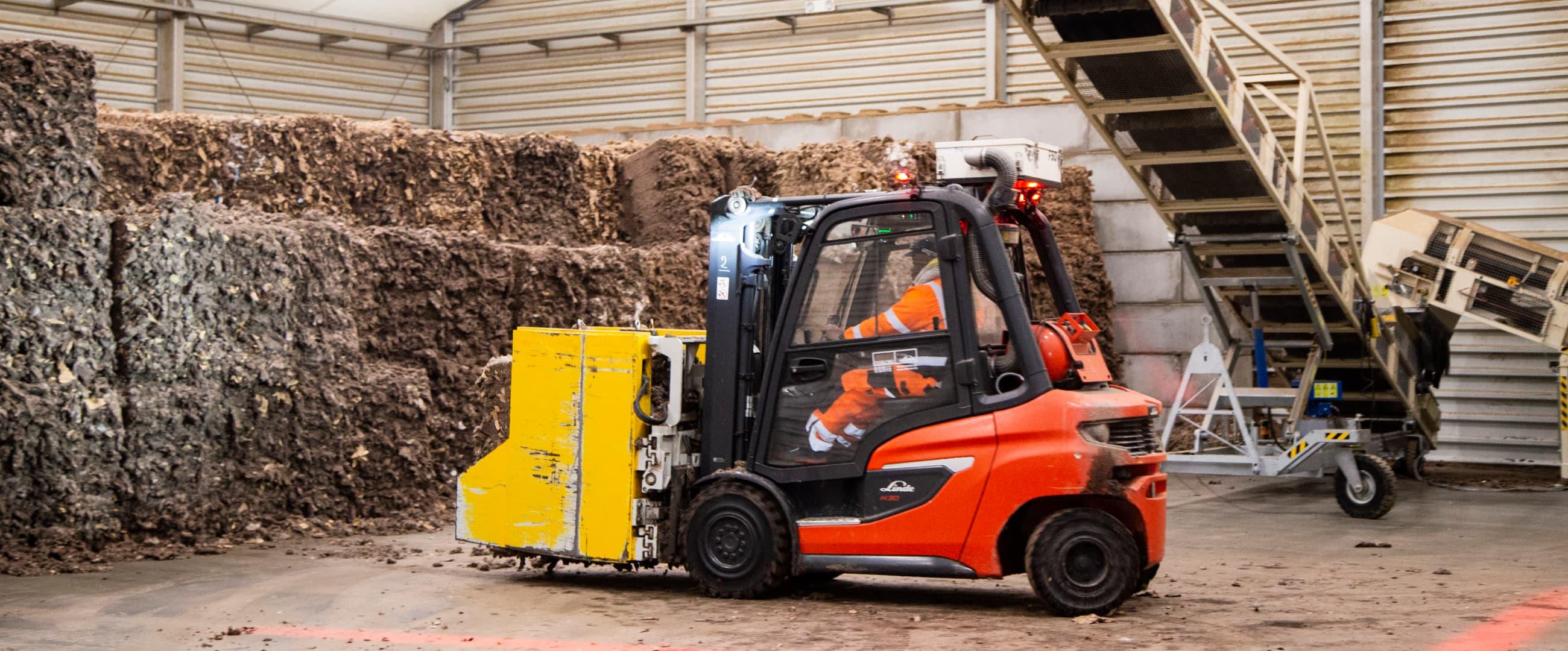
Recycling glass mineral wool sounds straightforward. Yet in practice, hesitation persists across the construction sector. Questions around quality, logistics and real-world application still prevent recycling from becoming a wide-spread standard practice.
Are these concerns justified, or are they based on outdated assumptions?
In this article, we debunk five common myths about recycling glass mineral wool and show why circular insulation is already a reality.
Myth 1: Recycled glass mineral wool is lower in quality
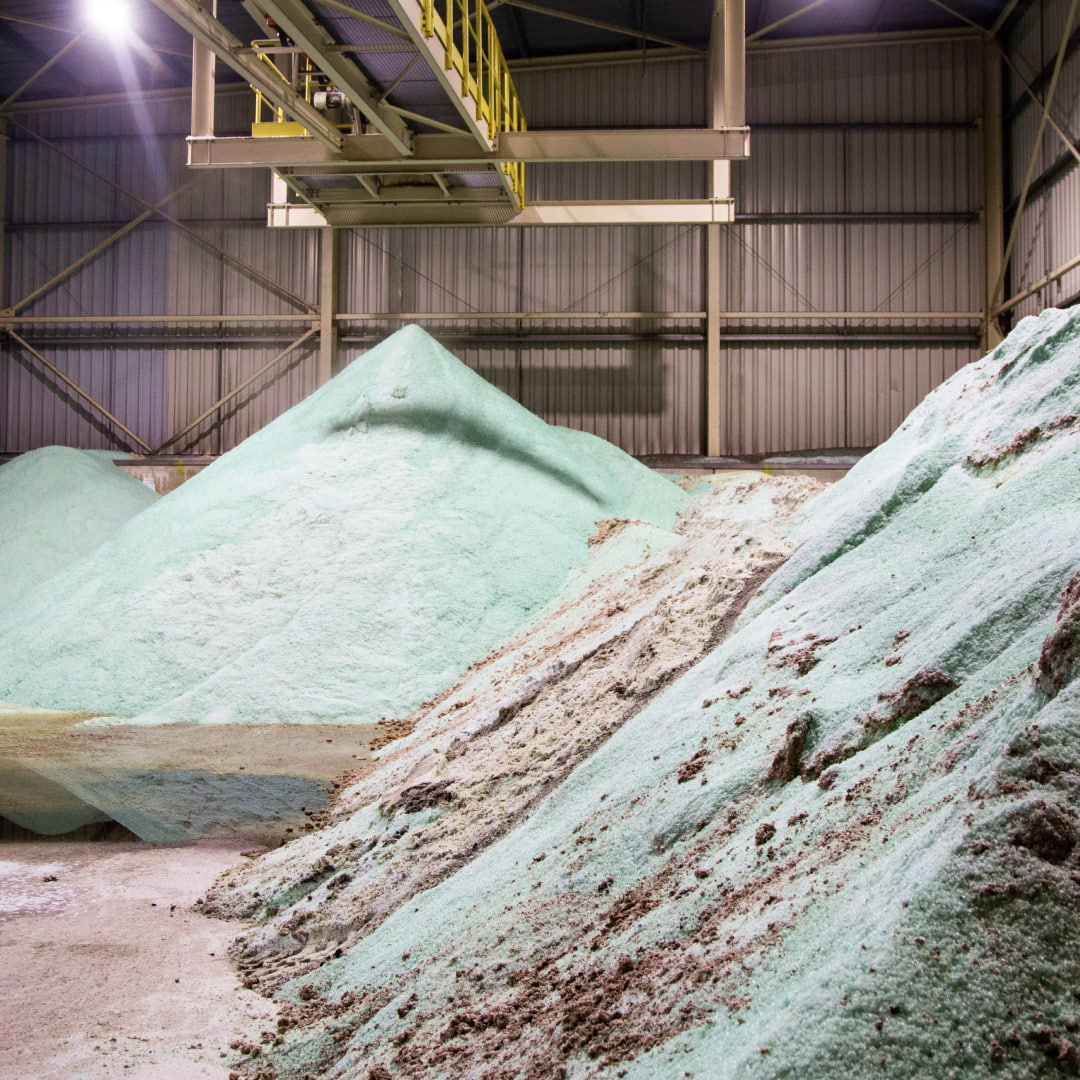
The idea that recycled materials are inherently inferior is widespread. In the case of glass mineral wool, it is incorrect. Glass mineral wool is produced by melting raw materials into a homogeneous glass melt. When recycled glass cullets are used, the same process applies. The material is fully reprocessed at high temperatures, eliminating any previous structure or impurities.
This means that recycled glass mineral wool:
- Delivers the same thermal and acoustic performance
- Meets the same standards and certifications
- Maintains long-term durability
Glass mineral wool can be recycled repeatedly without loss of performance, making it particularly suited for circular applications.
Myth 2: Recycling glass mineral wool is not practical on deconstruction sites
Recycling is often seen as something that works in theory, but not in the reality of busy construction or demolition sites. That perception is outdated.
With the rise of selective dismantling, materials are increasingly separated at the source. Glass mineral wool can be identified, sorted and prepared for recycling as part of standard site operations.
This shift is supported by:
- Better on-site sorting practices
- Growing expertise among deconstruction companies
- Dedicated recycling partners and infrastructure
Recycling glass mineral wool is no longer an exception. It is becoming part of how projects are executed.
Myth 3: Landfilling is cheaper and easier
At first glance, sending glass mineral wool to landfill may seem like the simplest option. It requires less coordination and appears to reduce effort on site. But this view only considers the short term.
Landfilling comes with:
- Transport and disposal costs
- Increasing landfill taxes and regulatory pressure,
- Shrinking capacity
- A permanent loss of valuable raw materials
Recycling changes that equation. Instead of paying to dispose of glass mineral wool, companies keep materials in circulation and contribute to a more efficient value chain.
What looks easier today may become a disadvantage tomorrow. As regulations tighten and circularity becomes the norm, landfilling is increasingly a dead end rather than a solution.
Myth 4: Recycling glass mineral wool is too complex to implement
Another common belief is that recycling glass mineral wool requires overly complicated logistics and coordination. It does require organisation. But that does not make it unmanageable.
The process follows a clear chain:
- Retrieval from construction or demolition sites
- Sorting and preparation
- Shipping
- Recycling into glass cullets
- Reintegration into new insulation products
Each of these steps is already integrated into existing workflows across the construction and waste management sectors. What once seemed complex is quickly becoming standard practice.
Myth 5: Circular construction is still a future concept
Circular construction is often seen as something for tomorrow rather than something happening today. In reality, the shift is already underway.
Across Europe:
- Regulations around construction waste are becoming stricter (e.g. landfill ban, obligation to separate from other deconstruction waste)
- Certification systems such as LEED and BREEAM reward circular solutions
- Companies are actively investing in material recovery and recycling
Glass mineral wool recycling is part of this transition. By retrieving, recycling and reintegrating materials, circular construction is no longer theoretical. It is being implemented on real projects today.
From myths to measurable progress
The construction industry is under pressure to reduce waste and use materials more efficiently. Recycling glass mineral wool contributes directly to that transition:
- It keeps valuable materials in circulation
- It reduces dependence on virgin raw materials
- It supports more circular construction practices
What was once treated as waste is increasingly recognised as a resource.
The myths remain. But the direction of the industry is clear.
Ready to rethink glass mineral wool waste?
Circular solutions are already available for projects that choose to act. Follow Resulation on LinkedIn and stay informed on how glass mineral wool recycling is shaping the future of construction.