
Glass mineral wool recycling: bridging industry and market
Olivier Douxchamps is Western Europe Sustainability Director at Knauf Insulation
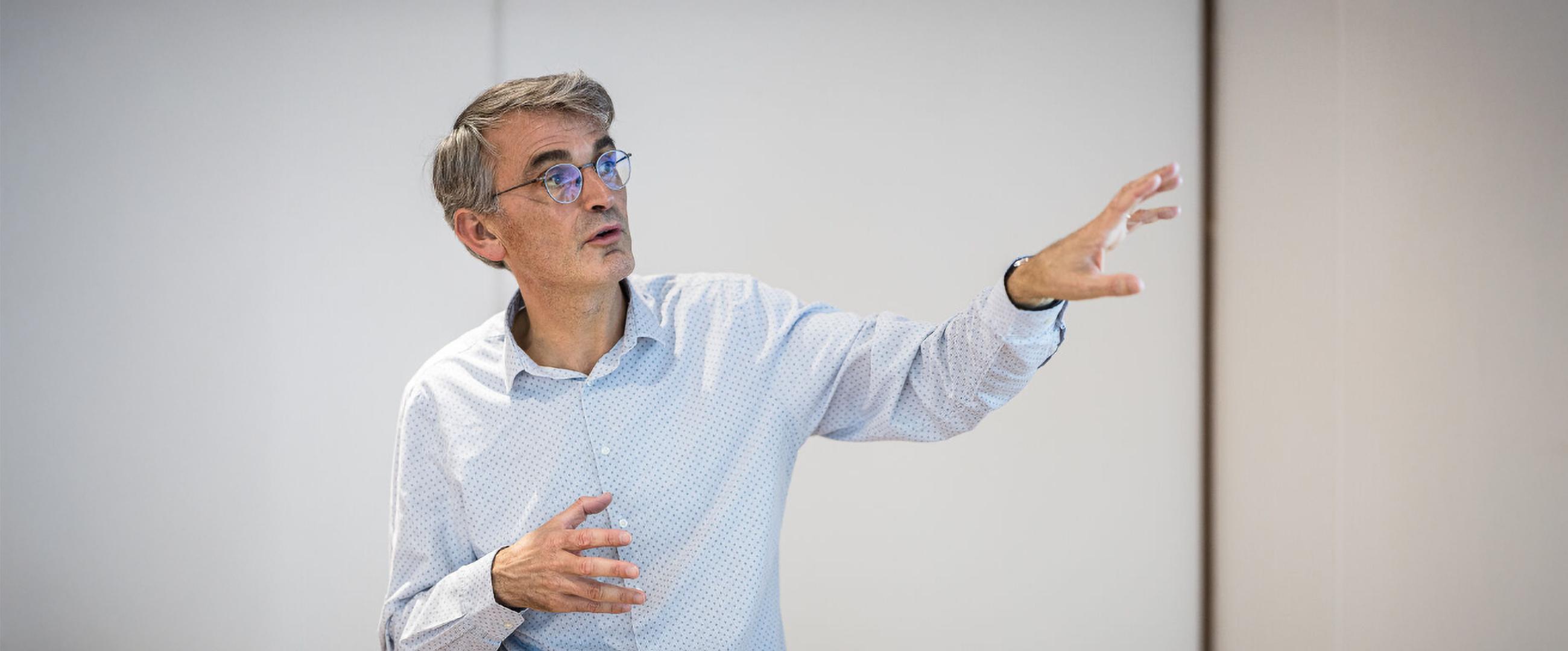
The circular transition in construction is accelerating. Regulations are tightening and expectations around sustainability are rising. To make circular construction work in practice, the sector needs people who understand both industrial reality and market expectations.
After more than 12 years leading Knauf Insulation’s production plant in Visé, Belgium, Olivier Douxchamps recently stepped into a new role as Western Europe Sustainability Director.
His mission is clear: accelerate circularity and resource efficiency across multiple countries.
From running a plant to shaping sustainability across Western Europe
You spent more than 12 years leading the plant in Visé. What fundamentally changes when you move from a plant perspective to a sustainability role?
For me, the move from Plant Manager to Western Europe Sustainability Director changes the scale of impact, but not the philosophy behind it. During my years leading the Visé plant, sustainability was already closely linked to operational performance, safety and continuous improvement. My new role now expands those priorities across Western Europe.
“I want to make sustainability tangible, measurable, and fully integrated into operations across the region.”
That means translating sustainability into practical industrial action: improving energy efficiency on production lines, reducing waste streams, and increasing recycled content in insulation products. Rather than stepping away from operations, I see this new role as a continuation of my hands-on approach.
Connecting industrial reality with market expectations
You now sit at the intersection of production and market expectations. How do you see your role as a “bridge”?
One of the biggest challenges in circular construction is that industrial production and market expectations often evolve at different speeds. Manufacturers deal with operational constraints, production stability and material quality every day.
Meanwhile, the construction market increasingly asks for lower carbon footprints, higher recycled content, material traceability and circular solutions. With more than two decades of industrial experience, I understand both perspectives.
“Acting as this bridge means translating market expectations into realistic and actionable solutions.”
My background allows me to challenge industrial teams realistically, while also helping customers and partners understand what implementation actually requires inside production environments. That balance becomes increasingly important as circular construction systems scale across Europe.
Circular glass mineral wool recycling only works through collaboration
Initiatives like Resulation aim to close the loop on glass mineral wool. How important is feedback from the market and partners to make such circular systems work at scale?
Circularity cannot be built by one company alone. A functioning recycling system depends on collaboration between demolition companies, waste processors, logistics partners, manufacturers and construction firms.
“Circularity is above all a collective effort. It is by co-building with our partners that we can truly scale up.”
On construction and demolition sites, practical questions immediately appear.
- How do you separate glass mineral wool correctly?
- How do you organise collection efficiently?
- How do you simplify sorting on site?
- How do you create systems that are economically workable for everyone involved?
That is exactly why partnerships are becoming increasingly important in circular construction. Resulation’s model is built around retrieving, recycling and reintegrating glass mineral wool into new insulation products instead of sending it to landfill.
But making that work at scale requires constant feedback from the field. Those real-world insights are essential to improve systems, simplify operations and accelerate adoption across the sector.

Making sustainability operational instead of abstract
“Sustainability” can remain abstract. In your new role, what are the most concrete levers you will focus on to accelerate circularity?
Several priorities stand out in my new role.
Decarbonization through industrial performance
Energy efficiency and process optimization remain central priorities across industrial sites. I also want to increase the use of lower carbon energy sources where possible.
Accelerating recycling systems
Scaling up material collection and improving recycling systems will help increase the amount of recycled glass mineral wool used in new insulation products.
Reducing waste and raw material use
Resource efficiency remains a major focus as material scarcity continues to grow across Europe.
Better monitoring through digitalization
More transparent performance tracking and better monitoring tools can help industrial sites measure sustainability progress more precisely.
Still, I believe technology alone will never drive the transition.
“The main lever remains team engagement and empowerment.”
That people-first mindset has shaped my leadership approach throughout my entire career.
Construction waste needs to become a future raw material
From your experience in production, what needs to change in the construction and insulation market to truly move towards circularity?
One major mindset shift still needs to happen across the sector. Construction waste must stop being treated as waste. Instead, materials need to be treated as future raw materials.
That requires several practical changes.
- Better sorting practices on construction sites.
- Stronger collection infrastructure.
- Clearer regulations around recycled materials.
- Economic incentives for circular systems.
- Better material traceability.
Europe is already moving in that direction. Circular construction frameworks, stricter landfill regulations and growing sustainability requirements continue to push the industry forward.
But industrial solutions also need to be ready to scale.
Building circular construction through practical action
For Resulation, the transition toward circular construction is not theoretical.
- It happens on demolition sites where materials are sorted correctly.
- It happens in recycling systems that keep glass mineral wool out of landfill.
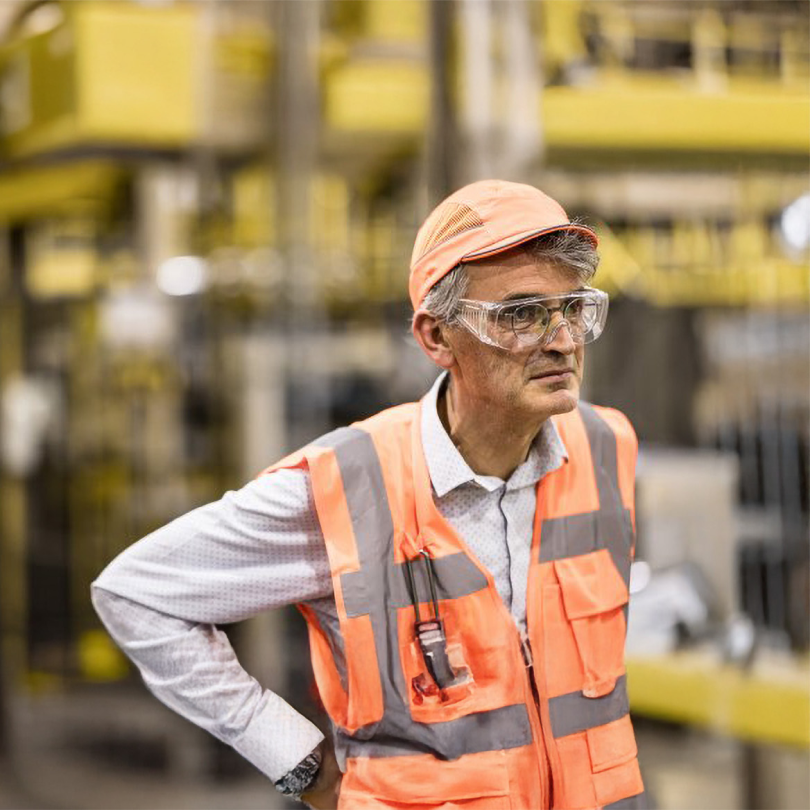
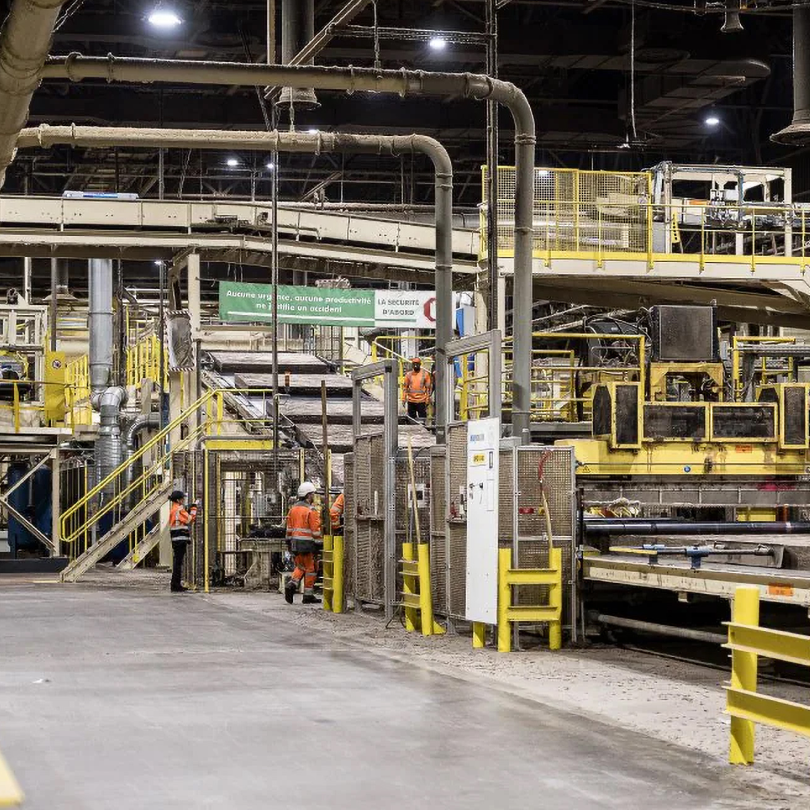
- And it happens in industrial plants like Visé, where recycled material is reintegrated into new insulation products.
Olivier Douxchamps’ new role reflects exactly that evolution: connecting industrial expertise with the practical realities needed to scale circular construction across Europe.
Curious how Resulation is helping close the loop for glass mineral wool across Europe? Follow us on LinkedIn and keep up with the transition toward circular construction.