
The science behind recycled glass mineral wool
Is quality maintained?
Circular construction is gaining momentum. More and more construction projects require a sustainable footprint. That raises a fundamental question for specifiers and contractors:
If you use glass mineral wool with higher recycled content, do you compromise on quality?
The short answer is no, provided the recycling process is tightly controlled. The long answer is where science comes in. In this blog, we unpack how recycled glass mineral wool is made and why its performance matches that of products made with primarily virgin raw materials.
What is glass mineral wool actually made of?
Glass mineral wool is a highly engineered material. At its core, the recipe is surprisingly simple:
- Silica sand
- Soda ash and limestone
- Recycled glass (glass cullets)
- Small quantities of additives and binder
These raw materials are melted at very high temperatures into a homogeneous glass melt. That melt is then fiberised into very fine glass strands, which are bonded together and formed into slabs, rolls and other insulation products.
The performance of glass mineral wool depends on:
- The micro-structure of the fibres.
- The density and thickness of the product.
- The stability of the binder.
- The consistency of production parameters.
Whether the glass comes from virgin sand or recycled cullets, quality starts with knowing exactly what enters the furnace. That is why we analyse every stream of secondary raw materials and check glass mineral wool waste for potential impurities. Because this waste already contains all the ingredients of new raw materials, it can be reintegrated smoothly once its composition is verified.
How recycled glass mineral wool is created
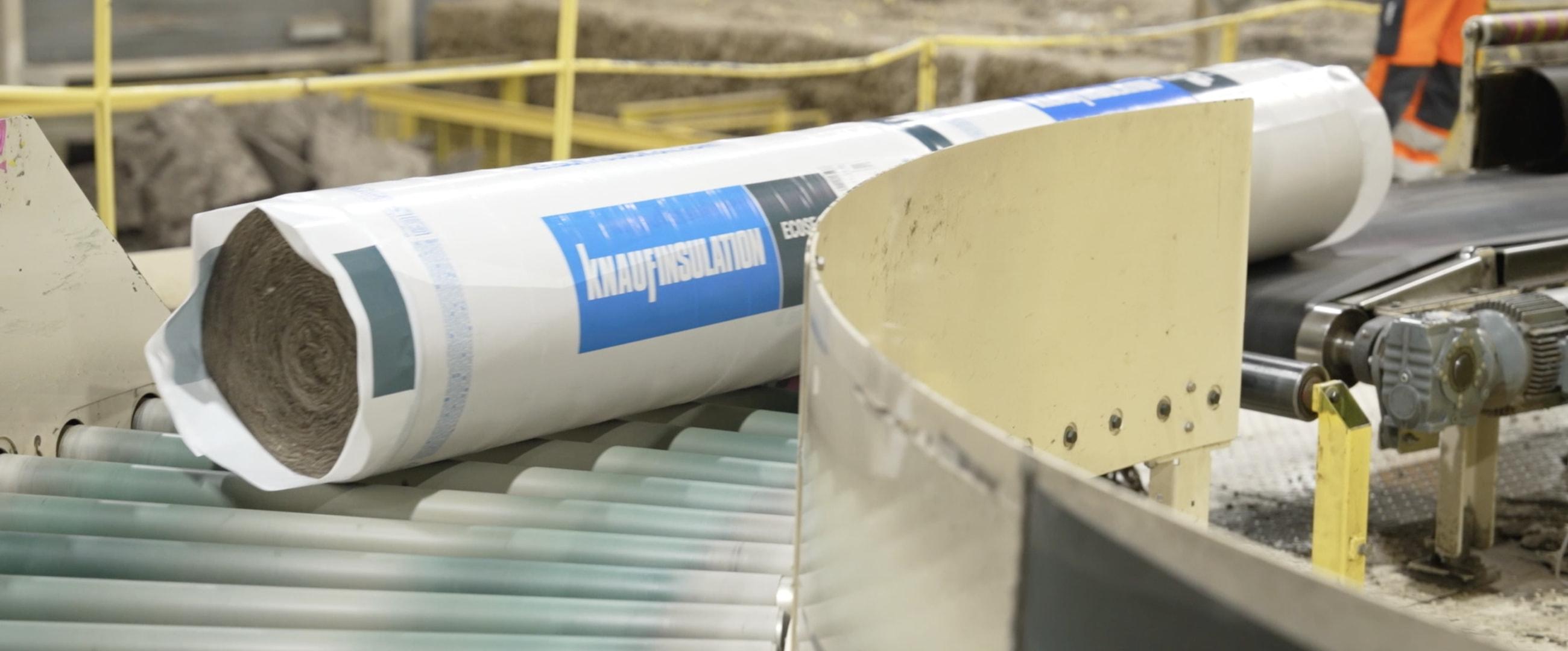
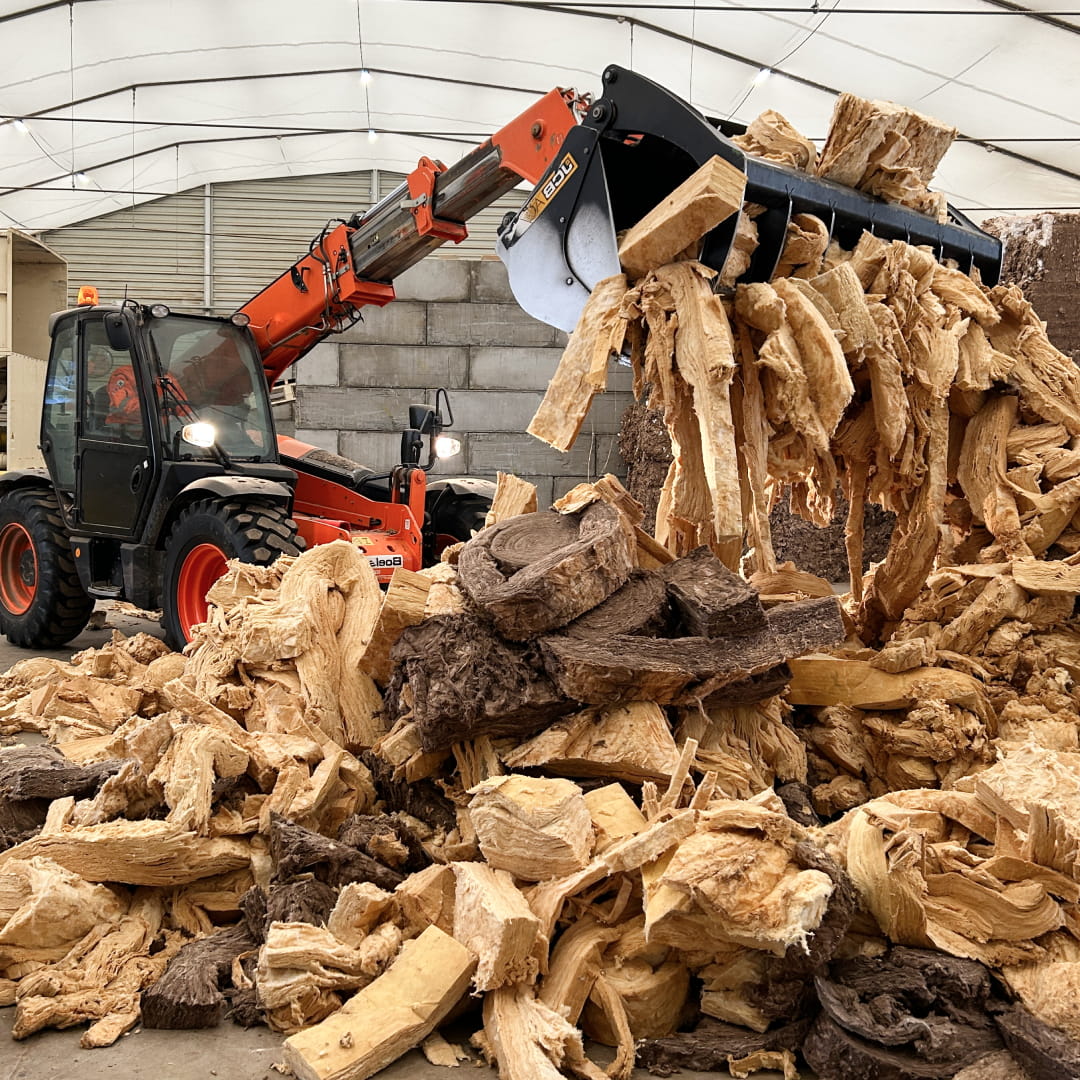
Resulation retrieves glass mineral wool waste from construction and deconstruction sites and from waste processors. Instead of going to landfill or incineration, this waste is sorted, prepared and sent into a closed loop.
The process, in simplified form, looks like this:
- Collection and sorting
Waste mineral wool from (de)construction sites is collected and carefully sorted. Contaminants such as metal parts, plastic foils or construction debris are removed as far as possible. Good sorting is essential because it determines the stability of the recycled material.
- Pre-treatment and compression
The mineral wool is compressed and prepared for transport. This step reduces volume dramatically, which limits transport emissions and makes the whole loop more efficient.
- Quality control
Before recycling, the incoming mineral wool stream is checked against strict criteria. Only material that meets the specifications enters the recycling process. Material that does not meet the standard is removed, so it will not impact the quality of new insulation.
- Melting into glass cullets
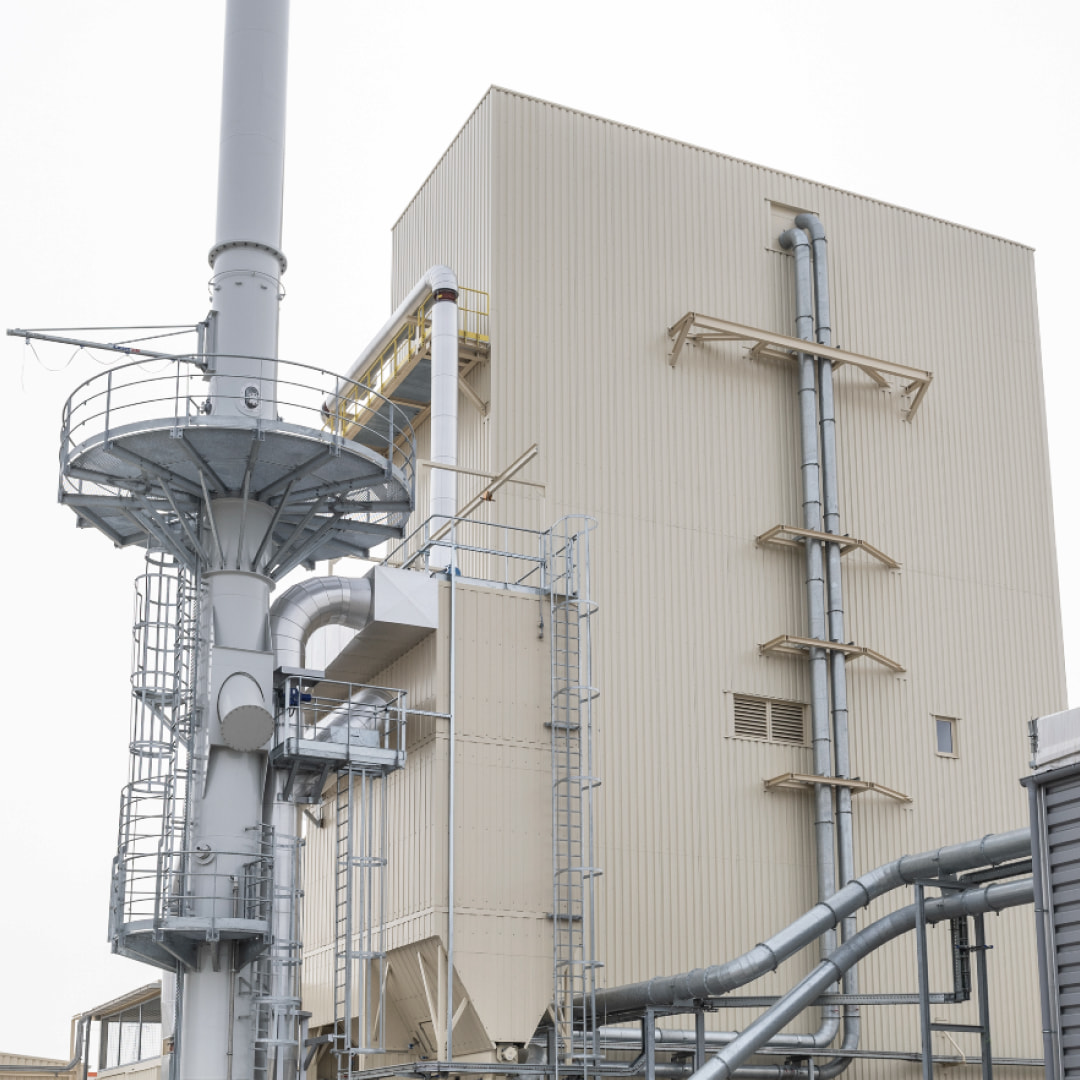
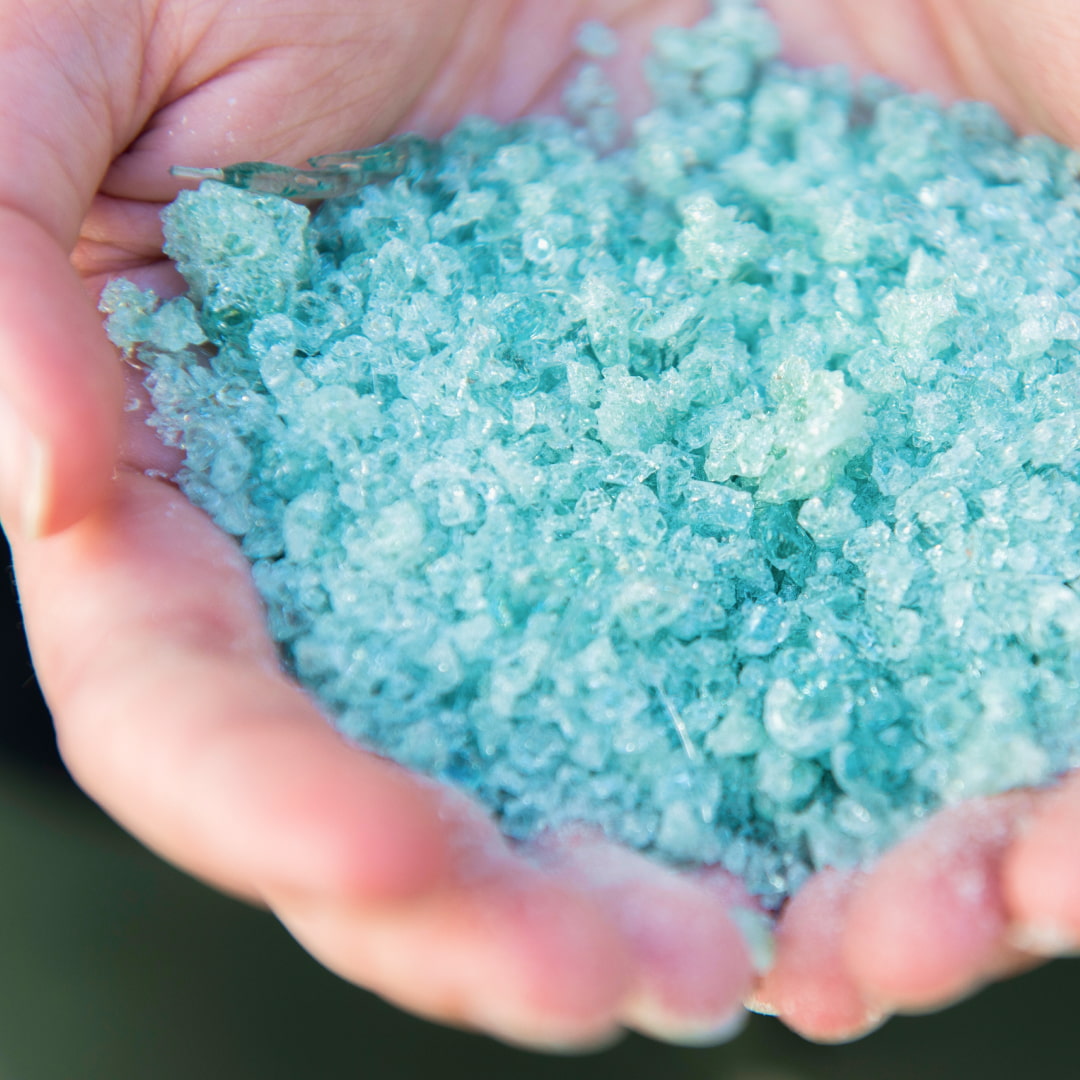
In Knauf Insulation’s glass wool manufacturing site in Visé (Belgium), the sorted mineral wool is remelted into glass cullets. These cullets are virtually identical, in composition and behaviour, to cullets from other recycled glass sources. They become part of the raw material mix for new glass mineral wool.
- Production of new insulation
The cullets are mixed with other raw materials, melted and fiberised into new glass mineral wool products. Thanks to the recycled content, fewer virgin raw materials are needed, while the production process remains designed to meet exactly the same performance standards as before.
This is how Resulation turns mineral wool waste into an infinitely reusable raw material and makes true circularity possible in insulation.
Where quality is decided: in the furnace, not in the skip
To understand whether quality is maintained, it helps to look at where quality is actually defined.
For glass mineral wool, the key performance attributes are:
- Thermal performance
How well the material resists heat flow, measured by lambda (λ) and R-value.
- Fire performance
Reaction to fire and resistance to high temperatures.
- Acoustic performance
Sound absorption and sound insulation properties.
- Durability
Long-term stability of thickness, shape and thermal performance, typically over more than 50 years of building life.
These properties are determined in the production line and verified through standardised tests, not at the demolition site. The furnace temperature, the fiberisation process, the formulation of the binder and the product’s density and thickness all have a far greater impact on quality than the origin of the glass.
Recycled glass mineral wool, when produced in a controlled industrial process, is therefore designed and tested to meet the same European standards and internal quality criteria as products made with a lower share of recycled content.
How performance of recycled glass mineral wool is tested
New glass mineral wool products that contain recycled cullets from Resulation go through the same rigorous testing regime as any other Knauf Insulation product. Typical test categories include:
- Thermal performance tests
To verify declared lambda values, thermal conductivity is measured under defined laboratory conditions. The aim is simple: the product with recycled content must achieve the same or better thermal performance as its reference product.
- Fire performance tests
Glass mineral wool is a non-combustible material. Products with recycled content must still achieve the same fire classification and behaviour in standardised fire tests.
- Acoustic performance tests
Acoustic absorption is tested for panels and slabs used in sound-sensitive applications. The open, fibrous structure of glass mineral wool, which drives acoustic performance, is maintained during production, independent of the recycled content.
- Mechanical and dimensional stability tests
Long-term compression, thickness stability, handling behaviour and installation performance are tested to ensure products behave as expected on site.
Only products that meet all the required criteria are released to the market. From a specifier’s perspective, recycled glass mineral wool is therefore not a “second-choice” material, but a fully compliant and certified insulation solution that happens to use more recycled content.
Does recycled glass mineral wool really have the same quality?
The essential point is this:
When waste mineral wool is correctly sorted and processed, and when the manufacturing process is tightly controlled, recycled glass mineral wool delivers the same performance as glass mineral wool produced with mainly virgin raw materials.
In practice, that means:
- Thermal performance is maintained
Products with recycled content are designed and tested to reach the same insulation values.
- Fire safety is maintained
The non-combustible character of glass mineral wool is preserved.
- Acoustic performance is maintained
The fibre structure and density that drive sound absorption are controlled during production, regardless of whether the glass is recycled or virgin.
- Durability is maintained
With a lifespan of more than 50 years, glass mineral wool is designed to retain its properties over time. Closing the loop does not shorten that lifespan.
- Product safety and air quality are maintained
Glass mineral wool with recycled content meets the same strict standards for indoor air quality, handling and installation safety as products made with virgin raw materials.
- Recycling can be repeated almost endlessly
Because virtually no glass material is lost during the recycling process, glass mineral wool can be reintegrated again and again, enabling a near-infinite loop of high-quality insulation production.
The conclusion is simple: quality is not sacrificed for circularity. The right recycling process makes it possible to have both.
Why this matters for your circular construction projects
For developers, contractors and deconstruction companies, the science behind recycled glass mineral wool translates into tangible advantages.
For construction and renovation companies
- You can specify insulation with high recycled content without compromising on performance.
- You support certification goals for green buildings and circular construction.
- You respond to client and regulatory demand for reduced embodied carbon and lower waste.
For waste processors and deconstruction companies
- Mineral wool waste becomes a valuable input stream instead of a cost item.
- You reduce landfill volumes and prepare for stricter regulation and landfill taxes.
- You strengthen your position as a partner in the circular economy.
For the industry as a whole
- Every load of mineral wool that enters the Resulation loop reduces the need for virgin raw materials.
- The same high-performance insulation can be produced again and again, based on an infinitely reusable raw material.
From science to site: what you can do next
Recycling glass mineral wool is no longer an aspiration. It is a proven industrial process that already diverts substantial volumes of glass mineral wool waste from landfill and transforms them into new, fully compliant insulation materials.
If you are a specifier, this means you can confidently select insulation with high recycled content without compromising quality or performance, while contributing to the broader shift toward circular construction.
If you are a waste processor or demolition company, you play an essential role in feeding the recycling loop with well-sorted, high-quality glass mineral wool waste streams. Reliable outlets for this waste already exist, and the demand for circular material flows will only grow stronger.
Now is the right moment to explore how your organisation fits into this circular model. Connect with the Resulation team to understand how glass mineral wool waste can enter the recycling loop and become tomorrow’s raw material.